Posted on Jul 27, 2026
Image Credit:
Image Credit:
File ID 60520196 | © Rui G. Santos | Dreamstime.com
Share: 



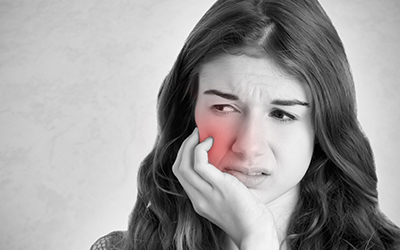
A toothache often signals a cavity, a cracked tooth, or infection, but not every painful sensation in your teeth actually begins there. In some cases, discomfort is referred from nearby muscles, nerves, joints, or even the sinuses. Because these conditions can produce symptoms that closely resemble a dental problem, it is important to have persistent pain evaluated by a dentist in Wichita, KS. An accurate diagnosis helps ensure you receive the appropriate treatment instead of addressing the wrong source of discomfort.
Referred pain occurs when the brain interprets discomfort from one part of the body as originating somewhere else. The head, face, jaw, and neck contain many interconnected nerves, making it possible for problems outside the mouth to feel like a toothache.
Seeking prompt dental care Wichita patients trust is often the best first step because a comprehensive examination can determine whether the pain is truly dental or whether another healthcare provider should become involved.
The roots of the upper back teeth sit close to the maxillary sinuses. When these sinuses become inflamed due to allergies or an infection, the resulting pressure may create aching or tenderness that feels like it is coming from multiple upper teeth.
Common signs that sinus problems may be responsible include:
If your teeth appear healthy during an examination, your dentist in Wichita KS may recommend evaluation by your primary care physician to address the underlying sinus condition.
The temporomandibular joints (TMJs) connect the lower jaw to the skull. Inflammation, arthritis, teeth grinding, or muscle tension can cause discomfort that radiates into the teeth, especially the molars.
Patients experiencing TMJ disorder may also notice jaw clicking, limited mouth opening, headaches, or facial muscle soreness. In these situations, effective tooth pain relief in Wichita may require treating the jaw joint rather than the teeth themselves.
Certain nerve disorders can produce sudden, sharp facial pain that resembles a severe toothache. One example is trigeminal neuralgia, a condition affecting the trigeminal nerve, which provides sensation to much of the face. The National Institute of Neurological Disorders and Stroke describes trigeminal neuralgia as causing episodes of intense facial pain that may be triggered by activities such as talking, chewing, or brushing the teeth.
Because nerve pain can closely imitate dental pain, an accurate diagnosis is essential before beginning treatment.
Many people clench or grind their teeth while sleeping or during stressful situations without realizing it. This repeated pressure can strain the muscles used for chewing, leading to soreness that may feel like pain in one or more teeth.
A thorough dental exam may reveal worn tooth surfaces or other signs of teeth grinding. Your provider may recommend a custom nightguard or other therapies to reduce strain and protect your smile.
Even if the pain is ultimately unrelated to your teeth, a dental examination is still an important first step because untreated dental infections can become serious if left alone. Schedule an appointment if you experience:
Comprehensive dental care Wichita patients receive includes evaluating both dental and non-dental sources of discomfort. Whether you need treatment for a cavity, a referral for a sinus condition, or management of a jaw disorder, identifying the true cause is the key to lasting relief.
If you are searching for tooth pain relief in Wichita, do not assume the problem is always a damaged tooth. An experienced dentist in Wichita KS can perform a thorough examination, identify the source of your symptoms, and recommend the most appropriate course of care to restore your comfort and protect your long-term oral health.
Sources:
File ID 60520196 | © Rui G. Santos | Dreamstime.com
Share:
Cookie Preferences | Cookie Consent | Privacy Policy
Nothing contained on or offered by or through this website should be construed as medical advice and should not be relied upon for medical diagnosis or treatment. By accessing our website and submitting any contact information, you understand and agree to electronic communication by phone, voicemail, email, and/or text.
© Copyright 2015-2026 Dental Marketing | Dental Websites | All Rights Reserved.
(316) 201-6323
admin@auburn-familydental.com
13705 W. Maple St.
Wichita, KS 67235


