Posted on Jul 13, 2026
Image Credit:
Image Credit:
File ID 73975248 | © Larisa Kapustkina | Dreamstime.com
Share: 


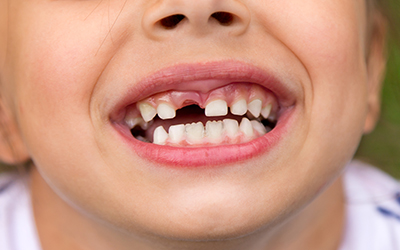
A missing tooth may seem like only a cosmetic concern, but the effects often extend far beyond your smile. Every tooth plays an important role in supporting your jawbone, facial muscles, and bite alignment. When one or more teeth are lost, the surrounding bone and soft tissues begin to change, sometimes leading to noticeable differences in facial appearance over the years. Seeking treatment from a dentist in Wichita, KS can help protect both your oral health and your facial structure before these changes become more significant.
Your teeth do much more than help you chew and speak. They also stimulate the jawbone whenever you bite and chew. This stimulation helps maintain healthy bone density. Once a tooth is lost, the jawbone beneath that area no longer receives regular stimulation, causing the bone to gradually shrink through a natural process called bone resorption.
According to the American College of Prosthodontists, bone loss begins soon after tooth loss and can continue over time if the tooth is not replaced. This gradual change may affect the stability of neighboring teeth as well as the overall shape of the face.
Receiving timely dental care Wichita patients rely on can help preserve both bone health and natural facial contours.
As bone loss progresses, the face may begin to look different. These changes often happen slowly, making them difficult to notice from day to day.
Some of the most common changes include:
These changes may become more pronounced when several teeth are missing, particularly in the back of the mouth where chewing forces are greatest.
Losing even one tooth can change how your remaining teeth fit together. Adjacent teeth may begin to drift into the empty space, while opposing teeth can shift because they no longer have a surface to bite against. These movements may create uneven wear, jaw discomfort, and difficulty chewing.
Patients sometimes seek tooth pain relief Wichita services because shifting teeth or an uneven bite has led to discomfort. In many cases, restoring missing teeth helps improve function while reducing unnecessary stress on the jaw joints.
In addition to restoring your smile, restorative dentistry can help maintain proper bite alignment and improve long-term oral health.
Replacing missing teeth is one of the most effective ways to minimize additional bone loss. Modern treatment options allow dentists to restore appearance, comfort, and function while helping preserve facial support.
Depending on your needs, treatment may include:
An experienced dentist in Wichita, KS can evaluate your oral health and recommend the option that best fits your needs and goals.
The longer a missing tooth remains untreated, the more bone loss may occur. Early evaluation allows your dentist to determine whether additional procedures, such as bone grafting, may be necessary before tooth replacement.
If missing teeth are accompanied by discomfort, prompt evaluation for tooth pain relief Wichita services may also identify underlying issues such as infection, gum disease, or bite problems. Regular dental exams, professional preventive dentistry, and personalized restorative dentistry can help protect your smile while maintaining your facial appearance for years to come.
Choosing comprehensive dental care Wichita patients can depend on allows you to address missing teeth before they lead to more extensive changes in your oral health and facial structure.
Sources:
File ID 73975248 | © Larisa Kapustkina | Dreamstime.com
Share:
Cookie Preferences | Cookie Consent | Privacy Policy
Nothing contained on or offered by or through this website should be construed as medical advice and should not be relied upon for medical diagnosis or treatment. By accessing our website and submitting any contact information, you understand and agree to electronic communication by phone, voicemail, email, and/or text.
© Copyright 2015-2026 Dental Marketing | Dental Websites | All Rights Reserved.
(316) 201-6323
admin@auburn-familydental.com
13705 W. Maple St.
Wichita, KS 67235


